
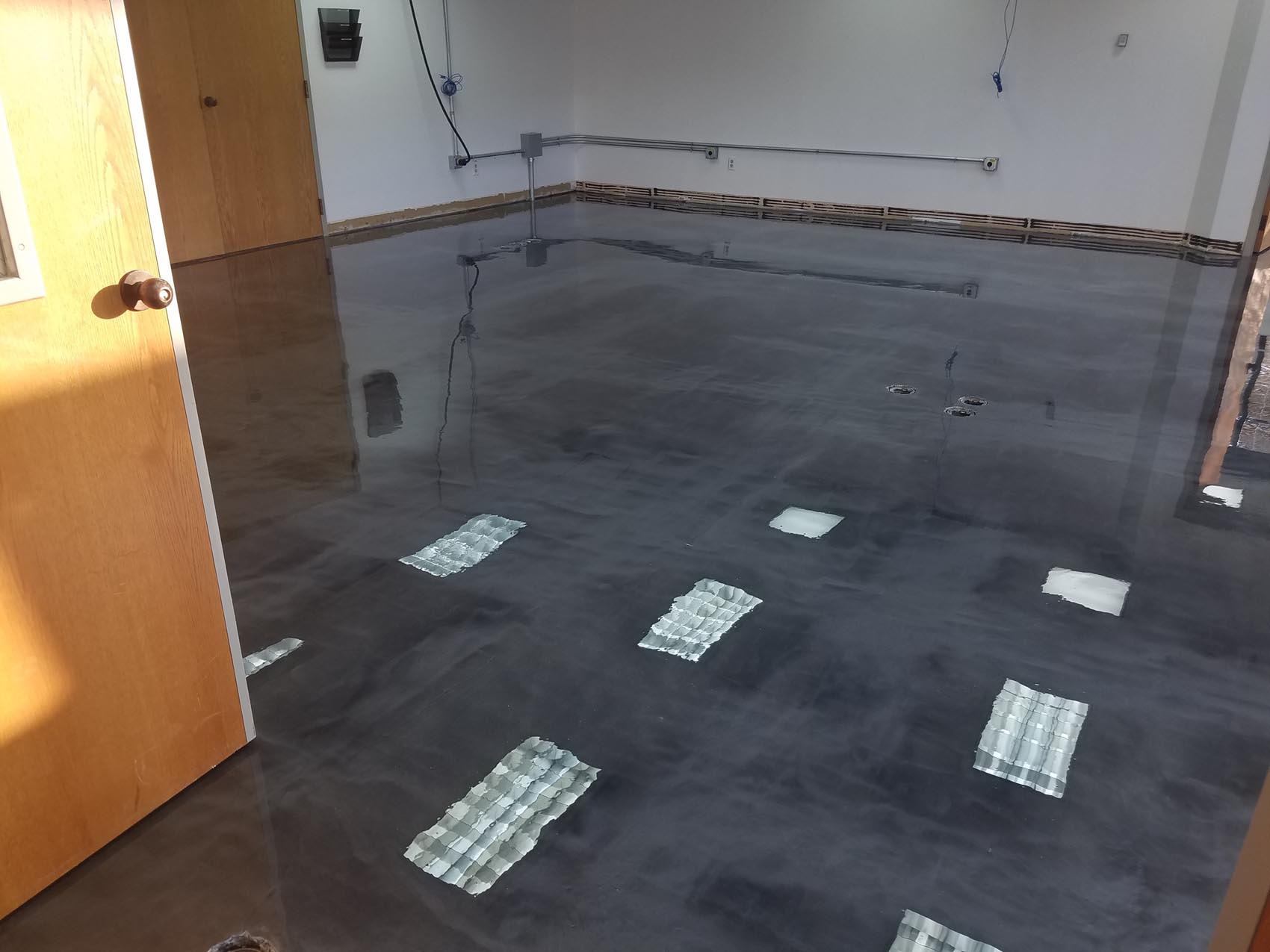
Investing in an epoxy flooring system is one of the smartest steps you can take to improve durability, safety, and aesthetics in both residential and commercial spaces. However, the success of a new epoxy floor depends heavily on what happens before the coating is applied. Many property owners focus only on the finished look, yet the preparation process plays the biggest role in long-lasting performance.
If you are getting ready for a flooring upgrade, you can set the stage for a smooth project by understanding what needs to happen ahead of installation. Whether you manage a warehouse or want a clean and long-lasting garage floor at home, this guide explains everything you can expect. Preparation reduces surprises, prevents unnecessary downtime, and ensures that the coating bonds securely to the concrete.
Below are the key steps that trained installers follow and what you should do to support the best results.
Step 1: A Professional Site Inspection Protects Your Investment
Before any coating options can be finalized, the concrete must be evaluated. An experienced installer will perform several tests and visual assessments to confirm that the surface is ready for a long-lasting system. Key evaluations include:
Moisture content: Concrete can hold moisture even when it appears dry. If too much moisture vapor pushes upward through the slab, coatings can peel or bubble. Moisture testing helps prevent future issues.
Surface contamination: Oil stains, dirt buildup, chemical residue, and old paints or sealers all interfere with adhesion. Contamination must be identified and corrected.
Concrete condition: Cracks, spalling, and weak spots in the slab can lead to visible damage after installation if not repaired first.
Levelness and profile needs: Every coating has a recommended surface profile. The installer will determine how much mechanical prep is required to achieve proper bonding.
These evaluations help determine the scope of preparation and the correct epoxy system for your environment. At LionStone Concrete Coatings, we include substrate testing and inspections during the estimating process. This service ensures that our recommendations are based on real site conditions.
If your project involves heavy machinery, chemical exposure, or compliance requirements, view more advanced solutions here:
Step 2: Surface Preparation Sets the Foundation for Performance
Surface preparation is the single most important part of an epoxy flooring installation. Even the highest quality products will fail if the concrete is not properly prepared. Professional installers use mechanical grinding or shot blasting to open the pores of the concrete so the epoxy can soak in and lock into place.
Here are the core prep activities you can expect:
Mechanical grinding removes weak layers and exposes clean concrete. This ensures the coating bonds securely.
Crack and joint repair is completed using high-strength materials that prevent future separation.
Oil and stain treatment may be needed in garages, warehouses, and vehicle facilities where contaminants have penetrated the concrete.
Complete debris removal is required. Even small amounts of dust left behind can weaken the bond.
Some flooring contractors cut corners by using acids or homeowner-grade equipment. These shortcuts lead to peeling floors that need replacement within a few years. LionStone uses commercial-level surface preparation equipment for every project. This ensures lasting performance whether the installation is in a local garage or a busy industrial plant.
You can view real examples of surface preparation and finished results in our photo library:
Step 3: Choose the Right Installation Schedule for Your Space
Every type of project has unique scheduling needs. The installer will help you determine the best timeline based on your operations and traffic levels.
Residential Example: Garage Floors
Homeowners often choose systems that allow walking within several hours and light vehicle traffic within 24 to 48 hours. This timing keeps household disruption low.
Commercial and Industrial Projects
Facilities such as food processing, warehouses, or maintenance shops may require multi-layer systems with additional functionality. These floors can support:
- Chemical resistance
• Thermal shock performance
• Anti-slip textures
• Stain protection
• High impact tolerance
To protect production schedules, many commercial projects are completed overnight or in phases. LionStone helps businesses maintain safe access while minimizing downtime so operations continue as efficiently as possible.
Step 4: Understand the Installation Day Experience
Preparing the area ahead of the crew’s arrival will lead to a smoother project. Here is what you can expect during installation:
- The area must be completely cleared of equipment, belongings, or vehicles
• There will be grinding noise during surface preparation
• Some odors may be present depending on the system chosen
• Installers will need power supply access
• The space may need to be temperature and humidity-controlled
• Temporary access restrictions will be in place to protect the wet coating
Your project coordinator will outline all requirements in detail before the installation team arrives. Communication is key. If anything changes in your timeline or facility schedule, discussing it ahead of installation ensures that your project remains on track.
If you have additional questions about project requirements or general epoxy flooring performance, visit our FAQ page:
Step 5: Plan for Cure Time and Early Maintenance
All epoxy floors need proper time to cure before taking on full use. Although fast cure options exist, curing cannot be rushed without affecting performance.
General curing guidelines include:
Residential spaces:
• Foot traffic after several hours, depending onthe system selected
• Vehicle traffic typically within one to two days
• Heavy loads are avoided until the floor is fully hardened
Commercial spaces:
• Light equipment may be allowed quickly
• Heavy manufacturing loads may need additional cure time
• Cleaning and standing water should be limited until fully cured
Early maintenance also plays a role in the long-term finish. A clean floor continues to cure evenly. Avoid harsh chemicals or dragging heavy items in the first several days. Small habits during early use can protect the gloss and improve lifespan.
Step 6: Choose a Qualified Epoxy Flooring Contractor
Selecting the right installer influences durability more than any other factor. A high-performance floor is the result of proper surface prep, certified installation techniques, and correct product selection. When comparing contractors, look for:
- Proof of experience with similar environments
- Moisture testing capabilities
- A portfolio showing recent projects
- Warranty coverage
- Proper insurance and safety procedures
- Positive reviews or business references
LionStone Concrete Coatings serves both homeowners and large commercial facilities across New England and Western New York. Our installers bring specialized knowledge to help property owners make confident decisions.
View the areas we serve
Final Preparation Checklist
A simple checklist can help you organize your space and eliminate last-minute stress. Use the guide below to begin planning.
| Task | Residential | Commercial |
| Remove all items from the space | ✅ | ✅ |
| Provide access for equipment and crew | ✅ | ✅ |
| Arrange temporary alternative workflows | ⭘ | ✅ |
| Confirm power access | ✅ | ✅ |
| Review final design and finishes | ✅ | ✅ |
| Provide safety information for staff or tenants | ⭘ | ✅ |
| Review care expectations after installation | ✅ | ✅ |
Set Your Project Up for Success With LionStone Concrete Coatings
Preparation is the key to a successful and long-lasting epoxy flooring installation. From moisture testing to final curing, every detail plays a role in performance. When you partner with LionStone Concrete Coatings, you can feel confident knowing that the investment you make today will continue to perform year after year.
Our team handles the entire process, including design guidance, timing plans, substrate repairs, and ongoing support. We are committed to delivering a smooth installation experience along with an impressive finished product.
Schedule a free on-site flooring evaluation.
Tell us about your facility or home project, and we will provide a clear plan for the best results.
You can also reach us by phone to discuss your upcoming installation and get answers to any initial questions.
Give us a call: (860) 805-0061